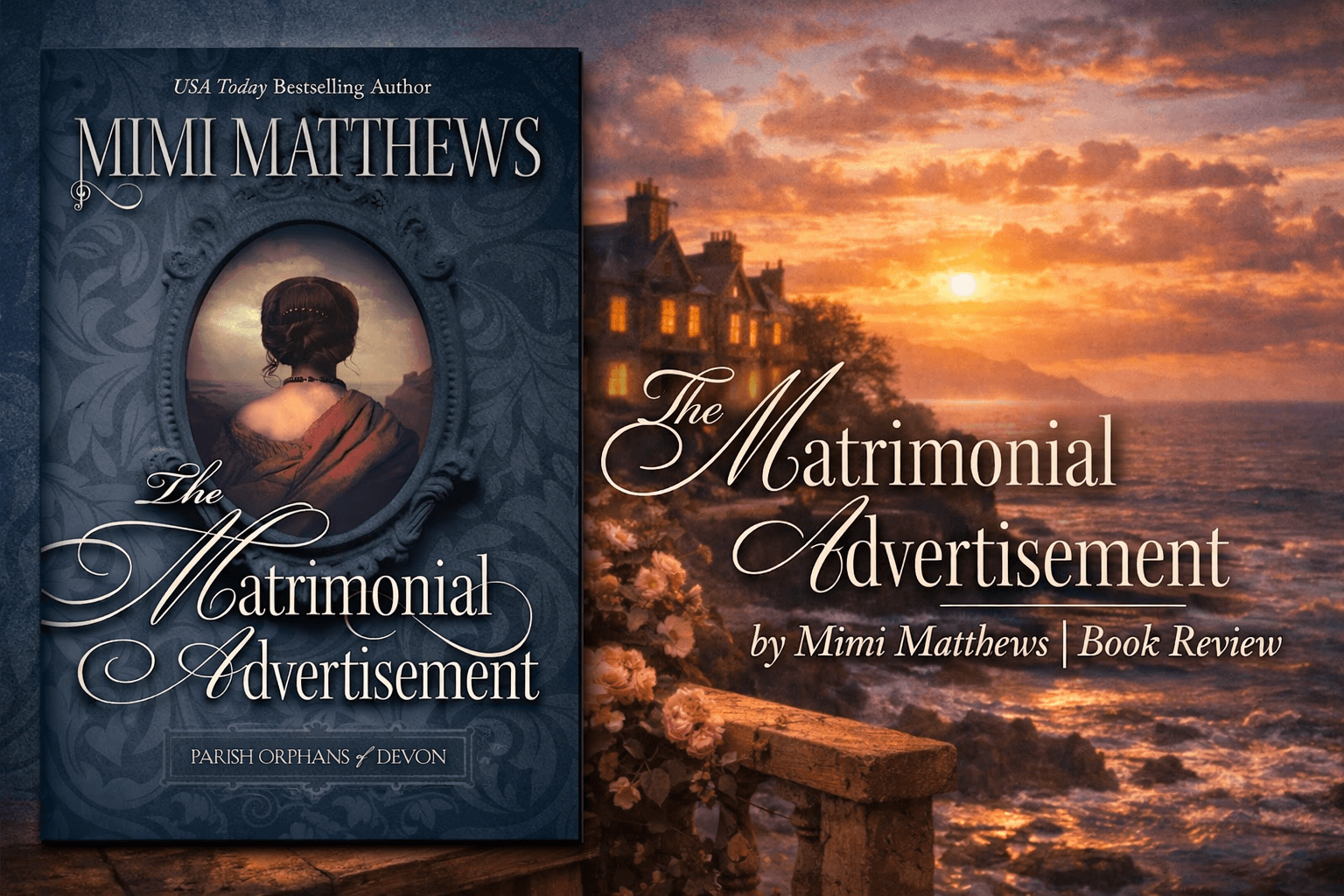
The Matrimonial Advertisement is a historical romance that doesn’t just follow familiar tropes—it elevates them. Mimi Matthews blends emotional depth, a touch of gothic mystery, and a beautifully crafted slow-burn romance that feels both intimate and unforgettable.
Set in Victorian England, the story opens with an unusual but desperate choice: a marriage arranged through a newspaper advertisement. What begins as a practical agreement quickly grows into something far more meaningful, as two wounded souls slowly learn to trust, heal, and open their hearts again.
In this review and summary, we’ll walk through the plot, the characters, the themes, and the writing style to help you decide if The Matrimonial Advertisement deserves a spot on your reading list—and why it might be the next historical romance you fall in love with.
Disclosure: This page contains affiliate links. If you make a purchase, we may earn a small commission at no additional cost to you.

The Matrimonial Advertisement at a Glance
A warm, spoiler‑free snapshot of what this Victorian romance has to offer.
- Title: The Matrimonial Advertisement
- Author: Mimi Matthews
- Series: Parish Orphans of Devon (Book 1)
- Genre: Historical Romance · Victorian Romance · Clean Romance
- Setting: Victorian England, with much of the story unfolding in the quiet Devon countryside
- Tone: Emotional, atmospheric, and gently gothic
- Reading Style: Character‑driven with a tender slow‑burn romance
- Perfect For: Readers who love clean romance, marriage‑of‑convenience stories, and deeply layered characters
At its heart, this novel blends a soft but powerful romance with themes of trust, healing, and second chances. It’s the kind of story that feels both comforting and emotionally rich—making it a standout choice for anyone who enjoys historical romance with genuine heart.
The Matrimonial Advertisement Summary (Spoiler-Free)
This overview highlights the heart of the story without revealing any major plot twists, giving readers a clear sense of the book’s tone, characters, and emotional journey.
A Woman on the Run
Helena’s Escape
Helena Reynolds is living under constant threat in London. With no safe options left, she answers a newspaper advertisement from a man seeking a practical marriage. It’s an unusual solution, but it offers something she desperately needs: protection and a chance to rebuild her life.
A Practical Agreement
The marriage is meant to be simple and emotion‑free. For Helena, it’s not about romance—it’s about survival.
A Man Marked by His Past
Justin’s Scars
Captain Justin Thornhill has retreated to his remote Devon estate after surviving brutal captivity during his military service. His experiences have left him guarded, both physically and emotionally, and he no longer believes love has a place in his future.
A Need for Stability
Justin wants a wife who can help manage his home, not someone who will stir up feelings he has long tried to bury.
A Marriage of Convenience
A Quiet Beginning
Helena and Justin marry quickly, with clear expectations and no romantic promises. Their relationship starts as a practical arrangement built on necessity.
A Slow-Burn Shift
As they settle into life together, small moments begin to change the dynamic between them. Helena finds a sense of belonging, and Justin’s defenses start to soften. Their connection grows gradually, creating a tender and believable slow-burn romance.
Secrets, Shadows, and Growing Trust
Trouble Resurfaces
Helena’s past does not stay behind. Old threats return, putting her new life—and her fragile bond with Justin—at risk.
What They Must Confront
- hidden truths
- external danger
- the fear of emotional vulnerability
The Central Question
Can a marriage created out of necessity transform into a relationship built on trust, safety, and genuine love?
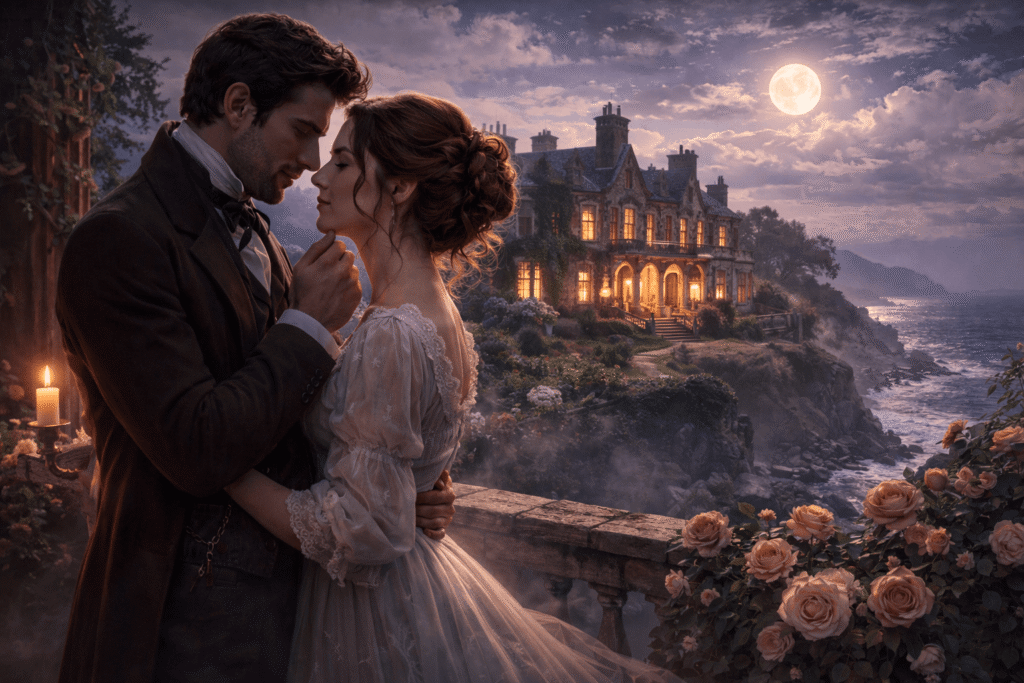
Why The Matrimonial Advertisement Stands Out in Historical Romance
Many historical romance novels follow familiar patterns, but this one sets itself apart through emotional realism, a slightly darker Victorian atmosphere, and characters who feel genuinely human. Instead of relying on dramatic twists or sweeping declarations, the story builds its impact through quiet moments, steady character growth, and a romance that unfolds with sincerity.
A Heroine Defined by Strength and Survival
A Different Kind of Heroine
Helena Reynolds is not the bold, rebellious heroine often found in historical romance. Her strength comes from endurance, not defiance. She is thoughtful, cautious, and deeply aware of the risks she faces.
A Journey Toward Control
Throughout the novel, Helena works to reclaim her life on her own terms. Her story is about survival, rebuilding trust, and learning to feel safe again—making her one of the most grounded and compelling heroines in the genre.
A Hero Shaped by Trauma and Quiet Depth
A Wounded but Complex Hero
Captain Justin Thornhill carries the weight of his past. His time in captivity has left him physically scarred and emotionally guarded, shaping him into a man who keeps the world at a distance.
A Heart Capable of Loyalty
Beneath his reserved exterior lies a man capable of deep loyalty, compassion, and steady devotion. His emotional depth gives the romance a richness that feels both intimate and believable.
A Romance That Grows Slowly and Naturally
Built on Respect and Vulnerability
The relationship between Helena and Justin develops through small, meaningful moments. Their connection is grounded in:
- mutual respect
- shared vulnerability
- gradual emotional trust
A Slow-Burn With Real Payoff
Rather than rushing toward passion, the novel allows their bond to unfold at a natural pace. This slow-burn approach makes the emotional payoff feel earned, authentic, and deeply satisfying.

Writing Style & Themes
Mimi Matthews brings a writing style that feels true to the Victorian period while still being smooth and approachable for modern readers. Her prose is calm, steady, and immersive, creating a reading experience that feels both elegant and emotionally grounded.
Mimi Matthews’ Historical Voice
Matthews writes with a balance that is rare in historical romance. Her style is:
- descriptive without slowing the pace
- emotionally focused rather than melodramatic
- atmospheric in a way that supports the story rather than overshadowing it
The quiet countryside settings, remote estates, and moments of isolation add a subtle gothic tone that deepens the emotional tension without turning the novel into a full gothic romance.
Themes That Shape the Story
Healing After Trauma
Both Helena and Justin carry emotional wounds that shape their choices. Their relationship becomes a place where trust grows slowly, allowing each of them to heal in their own time. The novel treats trauma with sensitivity, showing how connection and patience can create space for recovery.
Freedom and Personal Choice
Helena’s journey reflects the struggle for independence in a society where women had limited control over their lives. Her choices—however constrained—are driven by a desire to reclaim her future. This theme adds depth to her character and grounds the romance in real emotional stakes.
Trust and Emotional Vulnerability
The story highlights how trust is built through honesty, small acts of care, and the willingness to be vulnerable. The romance works because both characters learn to let down their guard, not because of dramatic declarations.
Love Built on Partnership
Instead of instant passion, the relationship grows through cooperation and mutual respect. Their bond is built on shared responsibilities, quiet conversations, and the gradual realization that they feel safer together than apart. This makes the romance feel mature, believable, and deeply satisfying.

Is The Matrimonial Advertisement a Clean Romance?
YMimi Matthews’ novel is widely recognized as a clean romance, making it an excellent choice for readers who prefer emotional depth without explicit content. The focus stays firmly on the characters’ inner lives and the slow, steady development of their relationship.
What “Clean Romance” Means in This Story
The connection between Helena and Justin is built through:
- emotional intimacy
- thoughtful, meaningful dialogue
- shared experiences that reveal their vulnerabilities
Instead of graphic scenes, the novel relies on trust, quiet moments, and gradual emotional closeness to show how their bond deepens. This approach keeps the story warm, heartfelt, and accessible to a wide range of readers.
Why This Appeals to Many Readers
Because the romance centers on character growth rather than physical detail, the story feels sincere and grounded. Readers who enjoy:
- character‑driven storytelling
- slow‑burn relationships
- emotional realism
will find the novel especially rewarding.
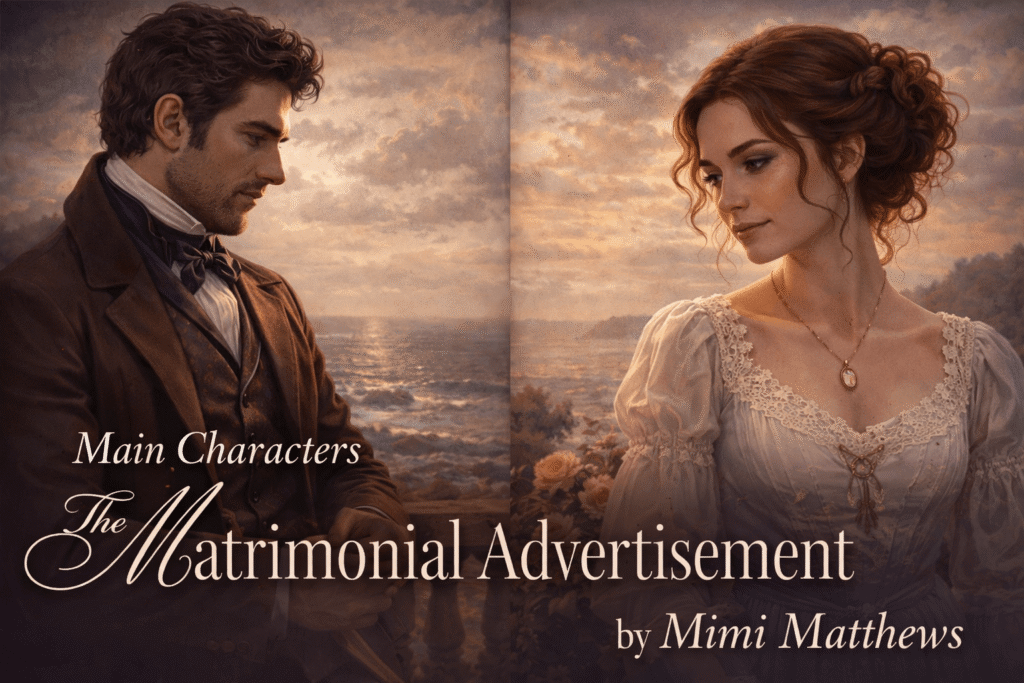
Main Characters
The story is driven by two deeply layered characters whose emotional journeys give the novel its heart. Both Helena and Justin feel grounded, believable, and shaped by experiences that make their choices—and their connection—feel authentic.
Helena Reynolds:
Helena is a heroine defined by quiet strength rather than dramatic rebellion. Her past has forced her to become cautious, observant, and resourceful, but she never loses her sense of dignity or determination.
She stands out because she is:
- intelligent and perceptive
- resilient despite fear
- committed to reclaiming her independence
Her emotional growth is one of the most compelling parts of the novel. As she begins to feel safe, she slowly allows herself to trust again, and this transformation gives the story much of its emotional depth.
Captain Justin Thornhill:
Justin is a man shaped by trauma, isolation, and a fierce sense of responsibility. His experiences during captivity have left him guarded, but they have also made him honorable and deeply loyal once he lets someone into his life.
He is:
- protective without being controlling
- emotionally reserved
- steady, loyal, and quietly compassionate
Justin’s character adds a rich emotional layer to the story. His journey is not about becoming stronger, but about learning to open up, to trust, and to believe he deserves connection again.
Why These Characters Stand Out
Together, Helena and Justin create a partnership built on respect, patience, and shared vulnerability. Their personalities complement each other in a way that feels natural rather than forced, making their relationship one of the most memorable aspects of the book.
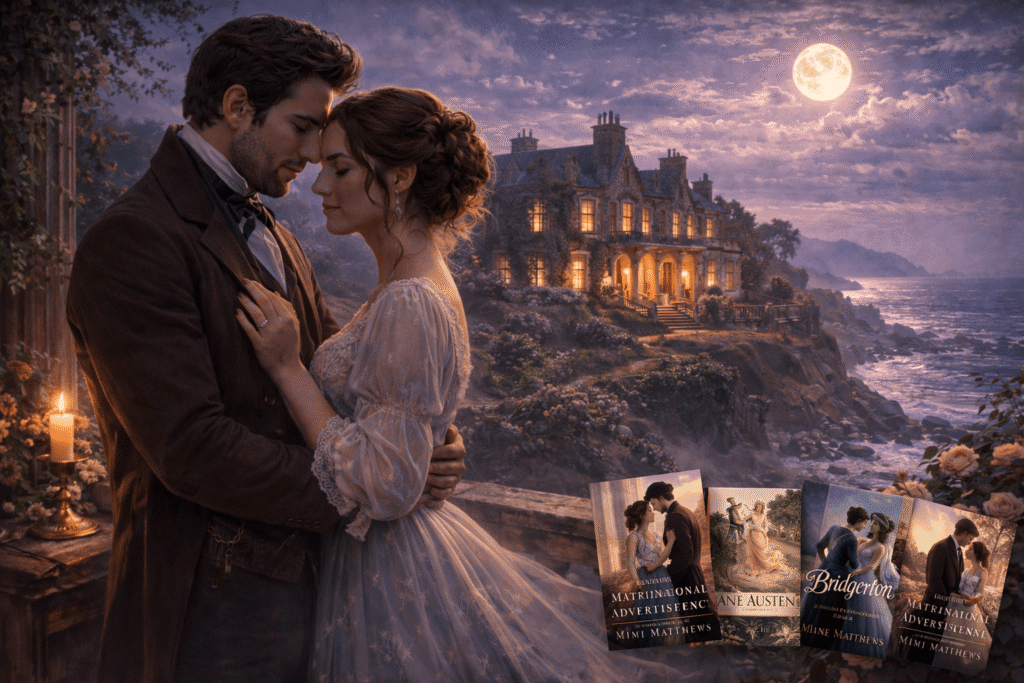
Who Should Read This Book?
This novel is a strong fit for readers who enjoy historical romance with emotional depth and a steady, character‑focused pace. It blends Victorian atmosphere, a thoughtful marriage‑of‑convenience setup, and a slow‑burn relationship that grows through trust rather than drama, making it appealing to readers who prefer romance that feels sincere and grounded.
It works especially well for anyone who enjoys:
- Victorian historical romance with rich period detail
- marriage‑of‑convenience stories that focus on emotional growth
- slow‑burn relationships that develop naturally
- character‑driven storytelling centered on healing and trust
- clean romance that prioritizes emotional intimacy over explicit content
Readers who appreciate the tone and pacing of authors like Jane Austen or Georgette Heyer will likely connect with the novel’s gentle style, its focus on character dynamics, and its emphasis on partnership over passion.
Related Posts:
Books Like The Matrimonial Advertisement You Need!

Prefer Listening? The Matrimonial Advertisement on Audiobook
The audiobook edition offers a rich and immersive way to experience the story, especially because the novel leans so heavily on character emotions, subtle dialogue, and atmosphere. Hearing the characters’ voices and emotional shifts adds an extra layer of depth that can be easy to miss on the page.
The narration highlights the qualities that make the book so engaging:
- the slow, careful build of trust between Helena and Justin
- the tension and quiet vulnerability in their conversations
- the gothic undertones of the remote Devon setting
Because the story is character‑driven rather than plot‑heavy, it translates exceptionally well to audio. The pacing feels natural, and the emotional nuances come through clearly in spoken form.
Why the Audiobook Is Worth Choosing:
Listening to the story can make the emotional journey feel even more intimate. The narrator brings out the characters’ personalities, their guardedness, and their gradual softening toward each other. It’s a format that suits the novel’s quiet intensity and slow‑burn romance.
The audiobook is also a great option for readers who:
- enjoy historical romance but prefer to listen during commutes or daily routines
- want to feel more connected to the characters’ inner worlds
- appreciate stories with strong dialogue and emotional subtlety
A Note for New Audible Users:
For listeners who haven’t tried Audible before, the platform often offers introductory deals for new members, such as a free trial period or the ability to start with one or more free audiobooks. This makes it easy to explore The Matrimonial Advertisement in audio form without committing upfront.

Final Verdict: Is The Matrimonial Advertisement Worth Reading?
The Matrimonial Advertisement is absolutely worth reading if you enjoy historical romance that feels sincere, emotionally grounded, and beautifully character‑driven. Instead of relying on dramatic twists, the story shines through its steady emotional build, its thoughtful writing, and the quiet but powerful connection between Helena and Justin.
Their slow‑burn relationship grows through trust, vulnerability, and shared strength, making the novel both memorable and deeply satisfying for readers who appreciate meaningful character growth.
If you want a deeper look at how the book performs in areas like pacing, character development, and emotional impact, make sure to check out our full review breakdown below.
And if you’re searching for more heartfelt, clean romances with strong characters and gentle storytelling, take a look at our curated list of the best clean romance novels to find your next favorite read.
The Review
The Matrimonial Advertisement Review
A beautifully written historical romance that combines emotional depth, gothic atmosphere, and a slow-developing love story.
PROS
- Strong and relatable characters
- Emotionally satisfying slow-burn romance
- Immersive Victorian setting
- Atmospheric and thoughtful storytelling
CONS
- Slow pacing in the early chapters
- Familiar trope elements for experienced romance readers
 Amazon